How did you score these devices?
Our scoring synthesizes peer-reviewed research, manufacturer specs, aggregated verified consumer reviews, and regulatory standing. We don't own or physically test every device featured here, and we say so plainly. See the methodology section for the full weighting.
What is the best vagus nerve stimulation device for beginners?
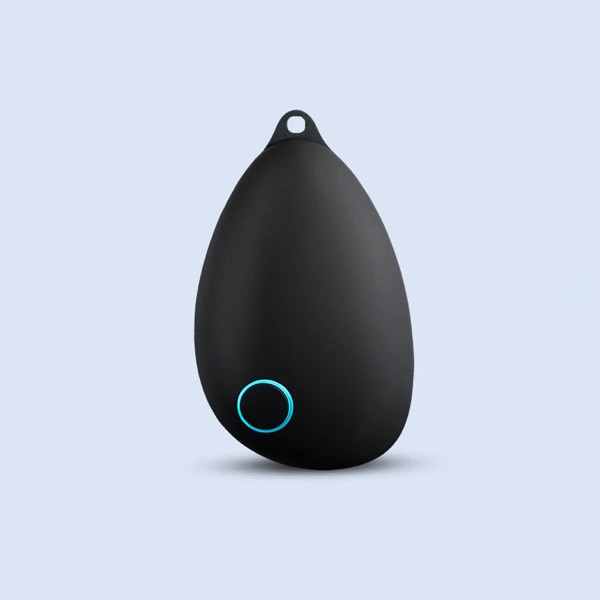
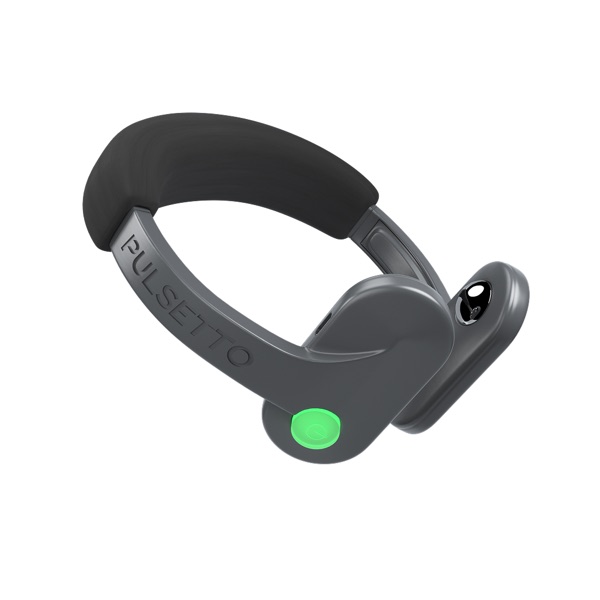
Pulsetto Lite. Its wireless design, hands-free fit, and 4-minute sessions create the lowest barrier to entry of any true VNS device. Open the box, place it on your neck, tap the app. That's it.
How long does it take for a VNS device to work?
Most users report noticing effects within the first few sessions, particularly for acute stress relief. Cumulative benefits like improved sleep quality and better HRV scores typically emerge over 2 to 4 weeks of consistent daily use. Consistency matters more than intensity.
Are at-home VNS devices safe?
Consumer tVNS devices have a strong safety profile supported by over 25 years of clinical research. Side effects are generally mild and temporary: slight tingling, minor muscle twitching, or occasional lightheadedness early on. Follow manufacturer guidelines and consult your physician if you have underlying conditions.
Do you need a prescription for a VNS device?
No. All six devices in this guide are consumer wellness products available without a prescription. They are distinct from implantable VNS devices, which are surgically placed, FDA-approved medical devices requiring physician supervision.
What is the difference between cervical and auricular VNS?
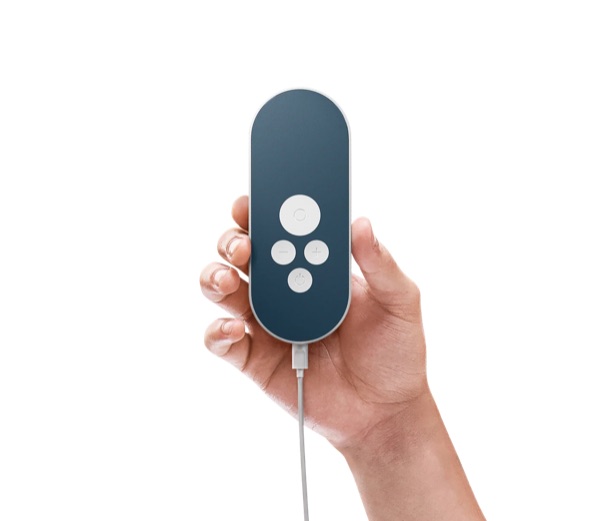
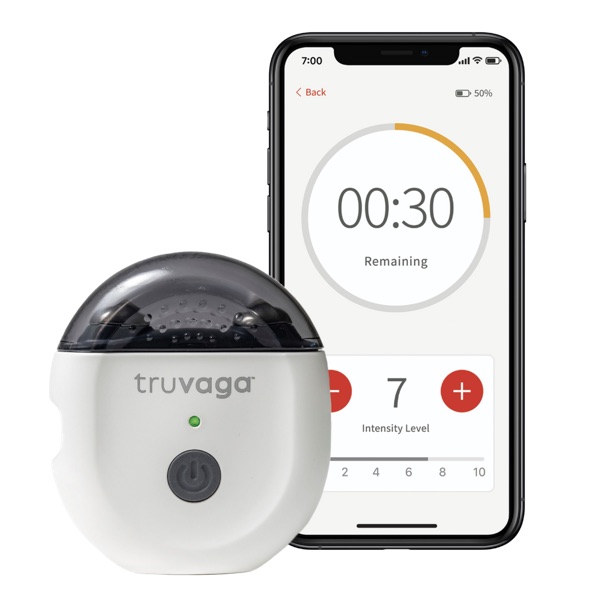
Cervical VNS targets the vagus nerve through the neck, where the main trunk is thicker and more accessible. Auricular VNS targets a smaller branch in the ear. Both have published research support. In this roundup, Pulsetto and Truvaga are cervical; Nuropod and Xen are auricular.
Can VNS devices be used with a pacemaker?
Generally, no. Electrical VNS devices are contraindicated for people with implanted cardiac devices, including pacemakers and defibrillators. Consult your cardiologist first. Non-electrical alternatives like Sensate or Apollo may be worth discussing with your doctor.
How often should I use a VNS device?
Most manufacturers recommend daily use. Pulsetto's protocol is one 4-minute session per day; Nuropod recommends 15 to 60 minutes daily. Regular daily use builds cumulative autonomic benefits that irregular use doesn't.
Is VNS covered by insurance or HSA/FSA?
Consumer VNS devices are generally not covered by health insurance, as they're wellness devices rather than FDA-cleared medical devices. Some HSA and FSA plans may cover them as qualifying expenses; check with your plan administrator.
What are the side effects of VNS devices?
Generally mild and temporary: tingling or warmth at the stimulation site, occasional muscle twitching, rarely mild lightheadedness. These typically diminish within the first week. Electrical devices produce more noticeable initial sensations than non-electrical ones.
Why is Pulsetto rated the best overall VNS device?
No other device matches its combination: bilateral cervical tVNS, fully wireless and hands-free, 4-minute sessions, Apple Watch and Oura Ring HRV integration, no mandatory subscription, 10-day battery, 2-year warranty, all at $259, the lowest price of any true electrical VNS device here. Most competitors match one of those advantages or none.
Is Nuropod worth 3.5 times the price of Pulsetto?
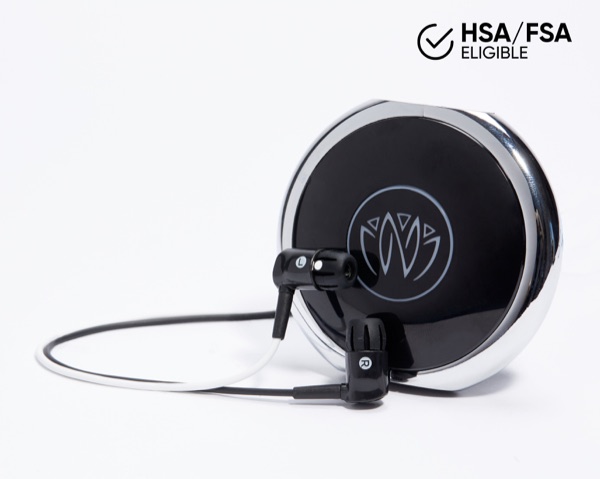
For most buyers, no. Nuropod's CE-certified platform and research backing are legitimate, the strongest in this category. But daily use still means a wired earpiece, single-ear stimulation, 15 to 60 minute sessions, and no health integrations. It makes sense for the evidence-driven buyer who isn't price-sensitive.
Do vibration devices like Apollo actually stimulate the vagus nerve?
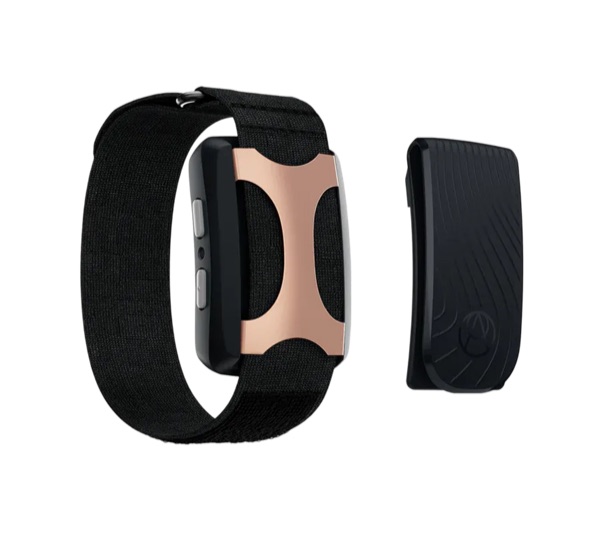
Not through the same mechanism as tVNS devices. Apollo delivers rhythmic vibrations through touch receptors in the wrist, which the company describes as activating the parasympathetic nervous system indirectly. The pathway is distinct from the electrical stimulation studied in tVNS research.
Can I use a VNS device during pregnancy?
Consumer VNS devices haven't been extensively studied in pregnant populations, and most manufacturers advise consulting your OB/GYN before use during pregnancy. When in doubt, get clearance from your healthcare provider first.
What is the best VNS device for anxiety and stress?
Pulsetto Lite. It includes dedicated Stress and Anxiety programs, its 4-minute sessions are practical during acute stress moments, and the Apple Watch and Oura Ring integration turns subjective impressions into measurable HRV trends.